Practice area
Motorcycle accident cases
Riders start every claim a point down: jurors assume speed, adjusters assume recklessness. Beating the bias is half the case — and it's beaten with evidence.
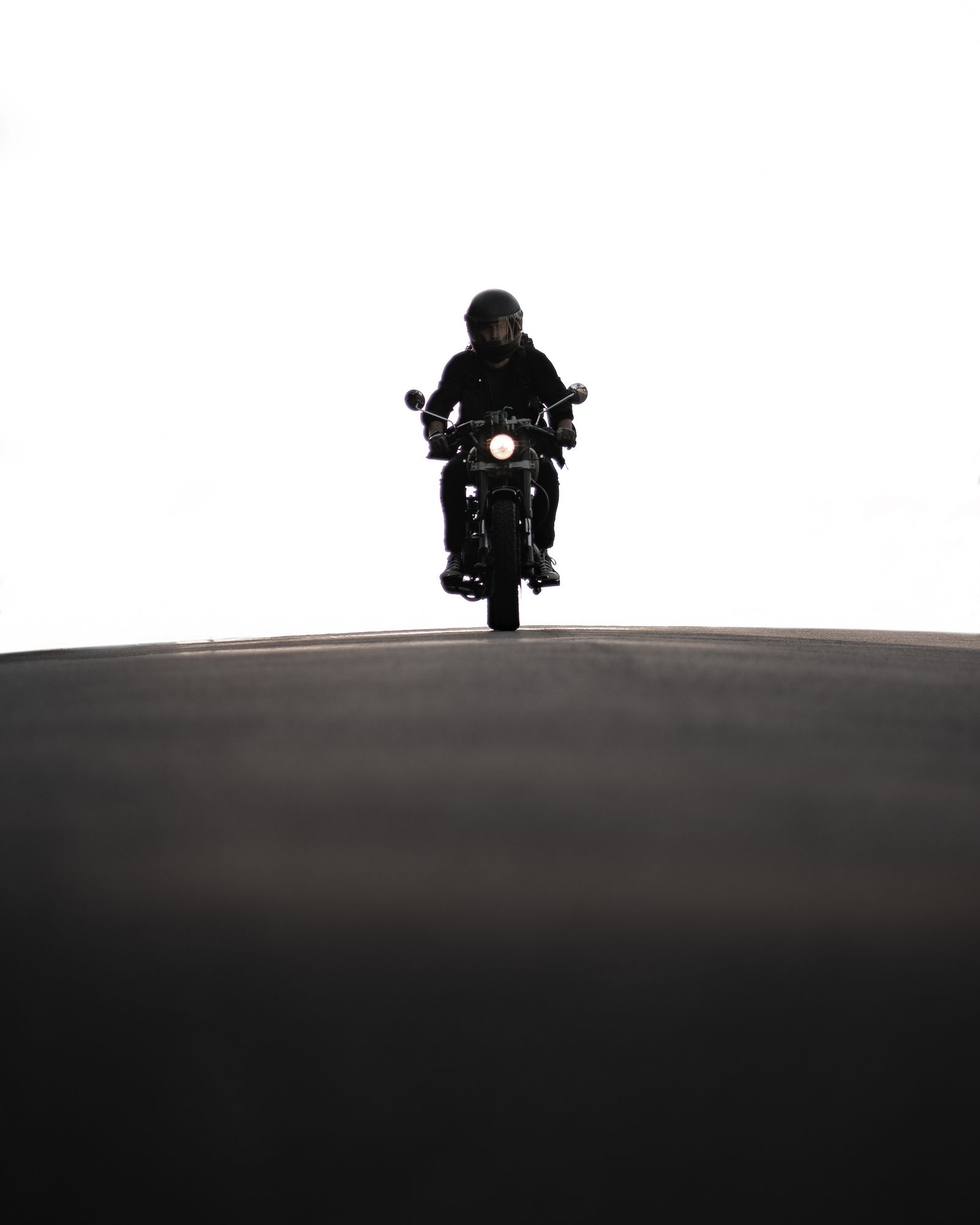
The bias problem, handled head-on
Insurance adjusters discount motorcycle claims because they expect juries to blame the rider. The counter isn't indignation — it's proof: accident reconstruction, roadway evidence, vehicle damage patterns, helmet-cam and dash-cam footage, and witnesses locked in early. When the file shows a driver who turned left across a lawful rider's path, the "reckless biker" narrative dies, and the claim gets priced like what it is.
Issues specific to rider cases
- Lane splitting. No California law prohibits lane splitting (Vehicle Code § 21658.1 defines it), so splitting alone breaks no traffic law — but expect the insurer to argue it was unsafe. How and where you were splitting becomes a fact fight worth winning with reconstruction, not assertion.
- Left-turn and visibility collisions. The classic rider crash — a car turns across your path and the driver "never saw" you. "I didn't see him" is an admission, not a defense, and I treat it as one.
- Injury severity and the math. Riders don't have a steel cage; the injuries are orthopedic, neurological, and permanent more often than in car cases. That makes the valuation work — future care, earning capacity, permanency — the center of the case, and it makes early lowballs especially costly to accept.
- Gear and helmet arguments. Expect scrutiny of your gear and helmet compliance; it affects specific injury arguments, not your right to recover for a crash someone else caused.
What to do this week
Preserve the bike unrepaired if possible (it's evidence), save your gear, pull any helmet-cam footage, photograph your injuries, and get every symptom into a medical record. Then call — the consultation is free, and the early evidence window doesn't reopen.
Common questions
I was splitting lanes when I was hit. Is my case dead?
No. No California law prohibits lane splitting, and fault turns on the specifics — speeds, spacing, the other driver's movement and attention. Adjusters open with "rider's fault" in these cases as a matter of routine; treat that as a negotiating position, not an answer.
The driver's insurer says I was speeding. How do we fight that?
With physics. Skid marks, crush damage, final rest positions, and video support speed calculations by qualified reconstructionists. Speculation from an adjuster is not evidence, and it tends to evaporate when confronted with an expert report.
My gear was destroyed. Can I claim it?
Yes — helmet, leathers, and the bike itself are property damage, separate from your injury claim. Keep the damaged gear; it's also injury-severity evidence.

Injured riding? Have a trial attorney review your case — free
Jake reviews every case submission. If it looks like one he may be able to help with, he or a member of his team will contact you.