Practice area
Truck & commercial vehicle cases
When a company's truck hurts someone, the company's rapid-response team is often at the scene before the tow truck. These cases are a different sport, and they call for urgency.
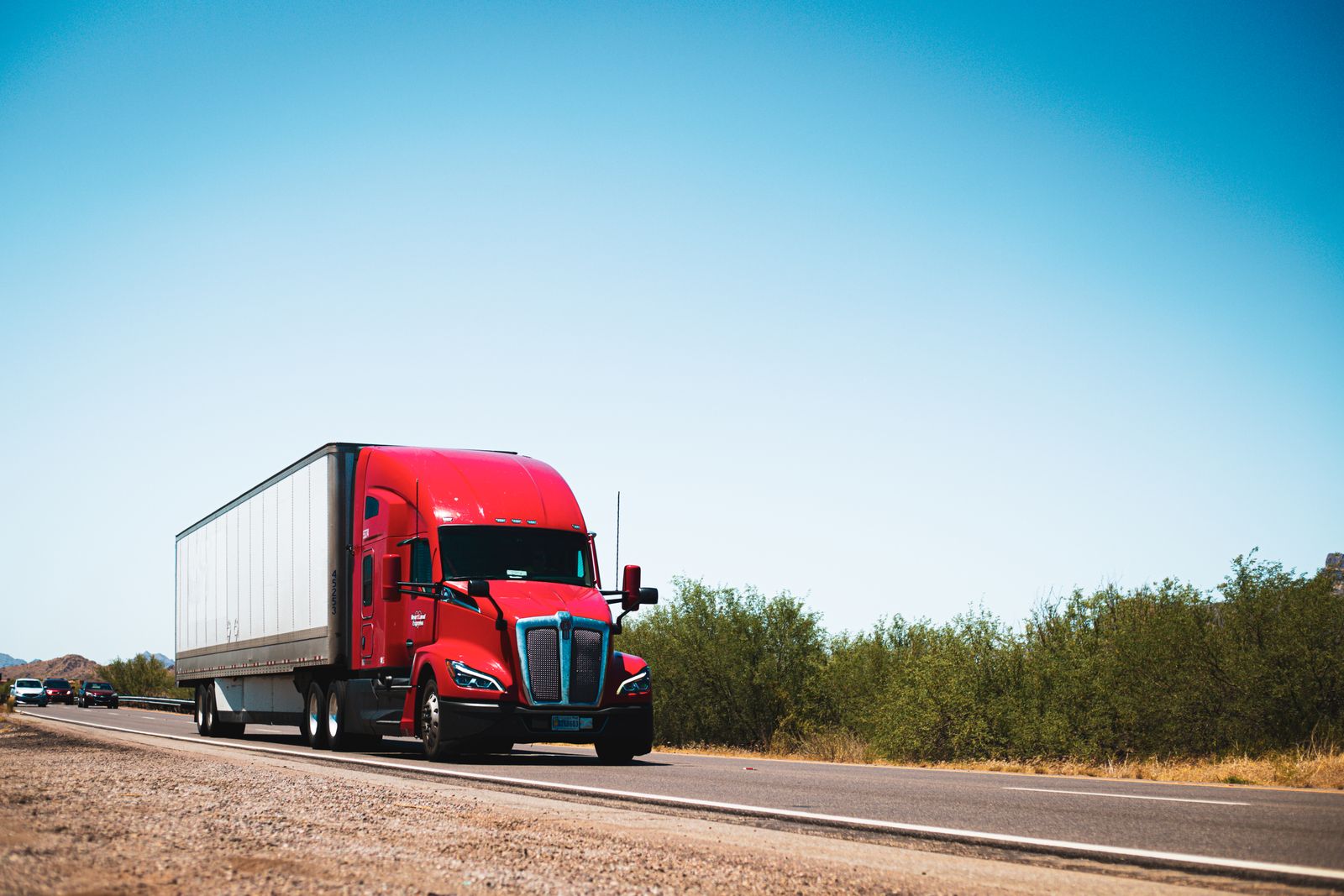
Why truck cases are different
A collision with an 80,000-pound tractor-trailer — or a contractor's box truck, or a delivery van running a route — isn't a bigger car crash. It's a case against a business, governed by a web of federal and state safety regulations, defended by insurers and counsel who specialize in exactly this. Motor carriers must follow rules on driver hours, qualification, drug and alcohol testing, maintenance, and cargo securement; violations are powerful liability evidence — but the records proving them (driver logs, telematics, dash cameras, inspection files) are in the defendant's hands and subject to retention schedules.
That's why the first move in every serious truck case is a preservation demand — a formal letter obligating the carrier to retain the electronic logging device data, engine control module data, camera footage, dispatch records, and the driver's file before any of it ages off. Days matter.
What shapes these cases
- Corporate liability, not just driver error. Hiring an unqualified driver, pushing schedules that force hours violations, skipped maintenance — company-level negligence changes both liability strength and how a jury sees the case.
- Commercial insurance limits. Federally regulated carriers carry policies far larger than personal auto minimums — meaning a catastrophic injury is less likely to be capped by a minimum-limits policy. Collectability (see the valuation explainer) stops being the ceiling.
- Layered defendants. Tractor owner, trailer owner, freight broker, shipper, maintenance contractor — commercial trucking spreads responsibility across entities, and finding every responsible one is part of the workup.
Delivery fleets count too
Amazon-branded vans, FedEx and UPS routes, food and grocery delivery — Southern California's streets are full of commercial vehicles that aren't big rigs. The same principles apply: commercial policies, corporate defendants, telematics and route data worth preserving fast.
Common questions
The trucking company's insurance already called me. What do I do?
Say nothing substantive and take their information. Rapid contact is standard practice in serious truck cases precisely because early statements and quick releases save carriers enormous sums. Get counsel before any statement — in these cases especially.
What if the truck driver got a ticket — is the case automatic?
A citation helps but decides nothing by itself; carriers still contest fault, causation, and damages aggressively. And the bigger question is often the company-level case — the hours, hiring, and maintenance story behind the driver's mistake.
How fast do I need to act?
Faster than in an ordinary crash. Some electronic data can be overwritten in days to weeks in normal operation, and a preservation demand is what removes the carrier's excuse. If a truck hurt you or someone you love, make the call this week.

Hit by a commercial vehicle? Move first — free consult
Jake reviews every case submission. If it looks like one he may be able to help with, he or a member of his team will contact you.